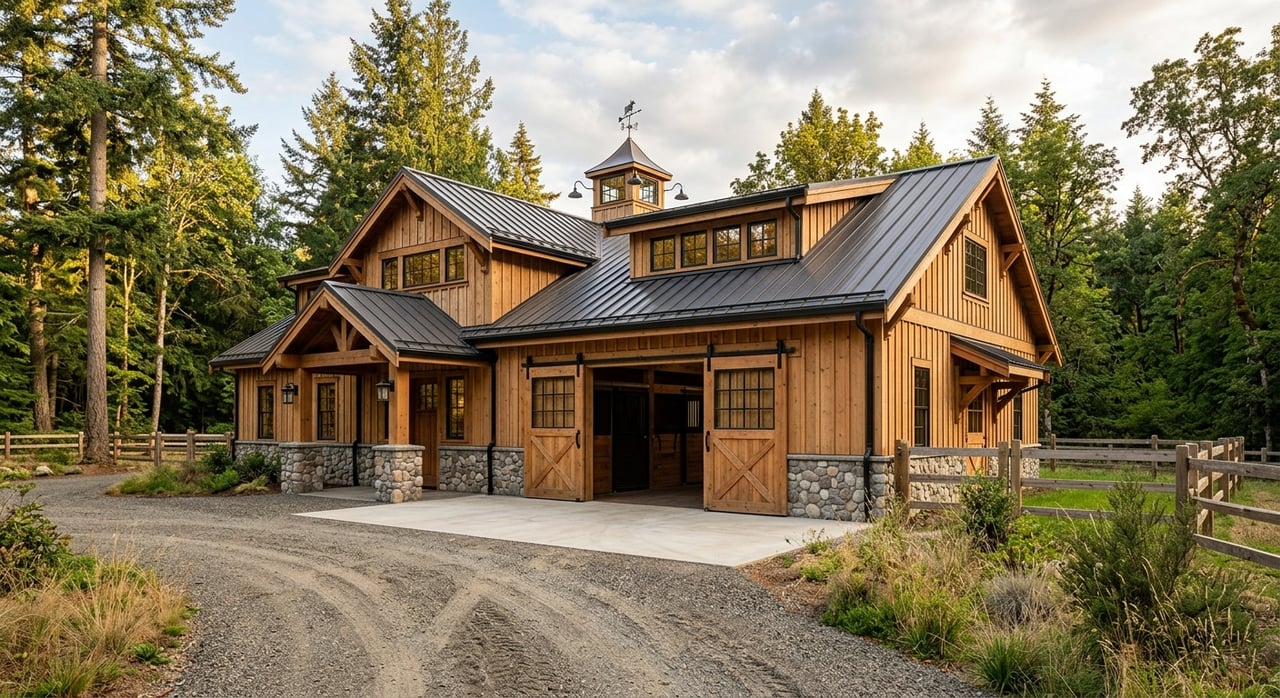
Dreaming of room for horses, a barn, and wide-open views near Coeur d’Alene? Acreage and equestrian property can deliver an incredible lifestyle, but the right fit depends on more than land size or a beautiful setting. If you are considering horse property in Kootenai County, it helps to understand how zoning, access, water, septic, and future-use plans can shape what is actually possible. Let’s dive in.
Why Coeur d’Alene acreage appeals
Around Coeur d’Alene, you can find a rare mix of lakes, mountains, forest land, open plains, and agricultural areas. That combination is a big reason acreage living feels so appealing here.
But rural property is also practical by nature. Kootenai County and University of Idaho guidance both point to the same reality: acreage living works best when you look beyond scenery and think carefully about soil, water, livestock needs, weeds, and wildfire.
Start with your lifestyle goals
Before you fall in love with a property, get clear on how you want to use it. A buyer looking for a private horse setup may need something very different from a buyer who hopes to add a large shop, divide pasture, or create an arena later.
This is especially important around Coeur d’Alene because the same idea may be simple on one parcel and restricted on another. Zoning, parcel size, open-space rules, and accessory-building allowances can all change what a property supports.
Private equestrian use vs future business use
If you want a home base for your own horses, your checklist will usually focus on pasture, fencing, shelter, water, storage, and daily functionality. That is different from planning a commercial operation.
In Kootenai County, commercial riding arenas, boarding stables, and equine training facilities are not automatic uses in Rural, Agricultural, and Agricultural Suburban zones. They require a conditional use permit, and in the Agricultural zone, commercial riding arenas also require a minimum property size of 5 acres.
Understand zoning before you buy
Zoning is one of the first things to verify on any acreage property. It affects lot size, what structures may be allowed, and whether your future plans fit the parcel.
In Kootenai County, the Rural zone has a 5-acre minimum lot size. The Agricultural Suburban zone has a 2-acre minimum lot size.
On certain parcel sizes, county code also requires 65% open space free from structures. That matters if you are picturing a house, barn, shop, arena, and trailer parking all fitting comfortably on the same land.
Barn and storage expectations
Accessory structure limits can vary by zone and parcel size. For example, Rural parcels of 5 acres or more may allow a pre-primary-use personal storage building up to 3,000 square feet, while smaller situations and Agricultural Suburban parcels have smaller caps.
That is why it helps to review a parcel with your real plans in mind, not just a general idea of “usable acreage.” If you are thinking about a barn, equipment building, or additional storage, details matter.
Look at the land as a working system
Horse property is not just a house on land. University of Idaho horse and small-acreage guidance emphasizes productive pasture, safe fencing, shelter, and easy access to feed and water.
In practical terms, many buyers look for features like pasture divisions, sensible fencing layout, storage for feed and equipment, and enough room for trailer movement. These are not always formal county requirements, but they can make daily life much easier.
Placement matters more than you think
Even buyers planning private use can benefit from thinking like a site planner. County standards for commercial equine uses highlight issues such as visual screening, dust control, parking and turnaround areas for horse trailers, and protection of water and air quality.
That framework can help you evaluate barn placement, traffic flow, and how the property will function over time. A beautiful parcel feels even better when it works well on an ordinary day.
Water, irrigation, and tax assumptions
Water is one of the most important questions on acreage. If a property relies on irrigation or stock water, you should verify the related water right rather than assuming it transfers automatically with the parcel.
Idaho treats water rights as real property rights. The state also notes that a domestic water right can cover homes, livestock, and up to one-half acre of irrigation.
Do not assume horse property gets agricultural tax treatment
This is a common point of confusion. Kootenai County’s agricultural exemption is meant for land actively devoted to agriculture as a bona fide for-profit enterprise.
The county specifically states that land used for grazing horses or other animals kept mainly for personal use or pleasure does not qualify. For many lifestyle buyers, that means the dream of owning horse property and the tax classification of the land are two separate issues.
Road access affects everyday life
A map pin never tells the whole story on acreage. In Kootenai County, residential lots must have access from a public or private road that meets county standards.
New private roads must comply with county or highway-district standards or, in some situations, the International Fire Code. Plats with private roads must also note that the highway district will not maintain them.
Why driveway-to-destination time matters
When you are comparing acreage properties, judge drive time from the actual driveway and route, not just the general location. Some parcels depend on easements or roads that are not county-maintained.
That can affect convenience, maintenance responsibility, and long-term ownership costs. On rural property, access is part of the property’s value and daily experience.
Septic, water source, and fire protection
For lots of 5 acres or more, Kootenai County requires a sewage disposal system that meets Panhandle Health District or DEQ requirements, reasonable assurance of a water source, fire protection from a fire district, and road access that meets county standards.
The county also requires permits before site disturbance such as grading, excavating, or storm-drainage work. If you are considering improvements after closing, those upfront requirements are worth understanding early.
Rural services may look different
Moving from town to acreage can also change routine services. Kootenai County operates 12 rural residential household-refuse sites in areas without private collection.
That may sound like a small detail, but it is part of the bigger adjustment to rural living. On acreage, the site itself becomes part of your infrastructure plan.
Weeds, wildfire, and land stewardship
Owning rural property around Coeur d’Alene often means taking a more hands-on role in land care. Weed control is one ongoing consideration, and Kootenai County’s noxious weed office inspects unincorporated lands and helps landowners identify and control weeds.
Wildfire is another important factor, especially in timbered areas. County subdivision standards require fire protection and may require wildfire mitigation plans in some locations.
Think beyond the first showing
Kootenai County also notes that mountain and water views are part of the area’s character and that development should remain visually unobtrusive and compatible with the landscape. For buyers, that is a helpful reminder to think long term.
The best acreage properties balance beauty with function, and privacy with stewardship. When you buy land, you are also choosing a maintenance rhythm and a responsibility to the setting around you.
A smart buyer checklist
Before you write an offer on acreage or horse property near Coeur d’Alene, it helps to verify the basics with care.
- Confirm the parcel’s zoning and lot size
- Review setback rules and any open-space requirements
- Check accessory-structure allowances for barns, shops, or storage buildings
- Ask whether an arena, ADU, or business use would need a special notice permit or conditional use permit
- Verify water source details and any related water rights
- Review septic requirements and current system information
- Confirm road access, easements, and who maintains private roads
- Consider pasture condition, fencing, shelter, and equipment flow
- Ask about weed issues, wildfire considerations, and fire-district coverage
- Separate lifestyle expectations from agricultural tax assumptions
Why local guidance matters
Acreage purchases often look simple from the listing photos and much more layered once you dig into the land itself. That is not a bad thing. It just means the best buying decisions usually come from matching the property’s infrastructure and rules to the life you actually want to live.
If you are searching for acreage or equestrian property around Coeur d’Alene, having a local advisor who understands homes, land use, access, and day-to-day functionality can save you time and help you buy with confidence. When you are ready to explore lifestyle property with a practical eye, connect with Eva Scherer for thoughtful guidance tailored to Kootenai County.
FAQs
What should you verify before buying equestrian property near Coeur d’Alene?
- Verify zoning, lot size, setbacks, open-space rules, accessory-building allowances, water source, water rights, septic, road access, easements, and whether your intended use would require a permit.
Can horse property in Kootenai County qualify for an agricultural exemption?
- Not automatically. Kootenai County says land used for grazing horses kept mainly for personal use or pleasure does not qualify for the agricultural exemption.
Do equestrian businesses need special approval in Kootenai County?
- Yes. Commercial riding arenas, boarding stables, and equine training facilities require a conditional use permit in the Rural, Agricultural, and Agricultural Suburban zones.
Why does road access matter for acreage homes around Coeur d’Alene?
- Road access affects daily convenience, maintenance responsibility, and carrying costs, especially if a property depends on a private road, easement, or non-county-maintained route.
What water questions matter for acreage property in Idaho?
- If the property depends on irrigation or stock water, you should verify the water right and not assume it transfers automatically with the land.