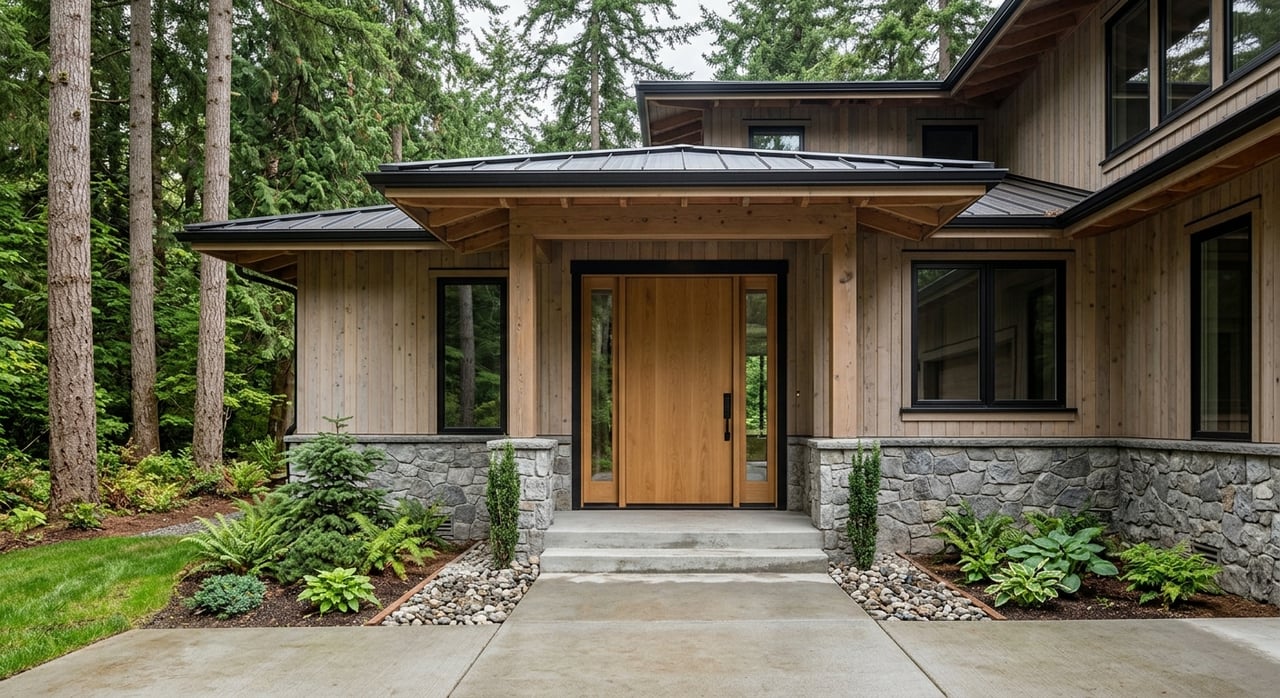
Choosing between a brand-new home and a resale in Coeur d'Alene can feel simple at first, until you realize how much timing, condition, fees, and paperwork can shape the experience. If you want a home that fits your lifestyle and your budget, the right answer is not always the newest house or the fastest closing. This guide will help you compare new construction and resale homes in Coeur d'Alene so you can move forward with more clarity and confidence. Let’s dive in.
Why this choice matters in Coeur d'Alene
In Coeur d'Alene, both new construction and resale homes play an important role in the market. Census QuickFacts reports 57,355 residents in the city as of July 2024, while Kootenai County reached 191,864 in July 2025. The same source shows median owner-occupied home values of $483,500 in Coeur d'Alene and $518,700 countywide, which makes every decision around condition, costs, and timing more meaningful.
New construction also remains relevant locally. Kootenai County reported 1,587 building permits in 2024, which points to continued development activity. For you as a buyer, that means you may have real choices between a newly built home and an existing property, depending on your goals.
New construction benefits
A new-construction home often appeals to buyers who want a fresh start. You may have more control over layout, finishes, and design details, and you also get brand-new systems and components. If turnkey living matters to you, that can be a major advantage.
New homes can also come with warranty protection that resale homes usually do not match. According to the Federal Trade Commission's guidance on new-home warranties, many newly built homes include coverage for workmanship and materials for about one year, major systems like HVAC, plumbing, and electrical for around two years, and in some cases major structural defects for up to 10 years. That does not remove all risk, but it can reduce some early ownership surprises.
New construction tradeoffs
The biggest downside of new construction is that the process can be more complex than it appears. In Coeur d'Alene, residential permit work goes through plan review, and the city says many single-family homes, duplexes, and garages can be plan checked in about 7 to 14 days before permits are issued. During the build, inspections are required at multiple stages before work is covered and before a certificate of occupancy is issued.
That means your timeline can depend on more than the builder's estimate. Inspections must be scheduled at least one working day in advance, and permits can expire after 180 days if work stops and inspections do not continue. If you are relocating or coordinating the sale of another home, those moving parts matter.
Costs can also be less straightforward than the headline price suggests. The city's fee schedule notes that building permit fees are valuation-based, the residential plan-check fee is 10% of the permit fee with a $25 minimum, and development impact fees increased 3.9% starting July 1, 2025. For new single-family homes and duplexes, the city also requires one street tree per street frontage, with a $300 fee per frontage unless the tree is planted or existing trees are retained.
On top of that, the Consumer Financial Protection Bureau notes that builder deposits may be required before completion, refund terms can vary, and you do not have to use the builder's preferred lender. In other words, new construction can give you customization, but it also asks you to pay close attention to timing, fees, and contract details.
Resale home benefits
A resale home often feels more straightforward because you can evaluate the actual property before you close. Instead of relying on plans, samples, or a construction timeline, you can walk through the finished home, observe the lot, and get a clearer sense of the surrounding setting. That can make decision-making feel more grounded.
In Coeur d'Alene, that practical advantage matters. The city's building FAQ supports the broader point that an existing home shifts much of the uncertainty away from construction progress and toward known condition. For many buyers, that can mean a faster and more predictable path to closing.
Resale can also work well if you want established landscaping, mature streetscapes, or a home that is available now rather than months from now. If your priority is getting settled quickly, a completed home often has the edge.
Resale home tradeoffs
With a resale purchase, the biggest variable is condition. Even if a home shows well, you still need to understand what is happening with the roof, HVAC, plumbing, electrical, drainage, and foundation. A beautiful home can still come with costly maintenance items.
The Consumer Financial Protection Bureau recommends hiring an independent home inspector as soon as possible, choosing someone who is accountable to you, and attending the inspection if you can. CFPB also notes that an inspection is different from an appraisal, and an inspection contingency may allow you to renegotiate or cancel if serious defects are found.
You should also ask about flood and other disaster risks, prior damage, insurance availability, and utility costs, since those factors can change the true cost of ownership. That is especially important when comparing a resale home that may need updates with a new build that may have fewer immediate repair needs.
Warranty coverage is another difference. The FTC explains that a home warranty on a resale property is usually a service contract, often costs extra, and is not the same as a builder warranty. So if you buy resale, it is wise to budget more aggressively for repairs or replacements after closing.
Side-by-side comparison
| Factor | New Construction | Resale Home |
|---|---|---|
| Condition | Brand-new systems and materials | Existing condition varies by property |
| Timeline | May depend on permits, inspections, and construction progress | Often faster because the home is already built |
| Customization | Usually higher | Usually limited to post-closing updates |
| Fees and extras | May include permit-related fees, impact fees, or lot-specific costs | Costs are more tied to inspection findings and repairs |
| Warranty | Often includes builder warranty coverage | May include a home warranty, but it is not the same as builder coverage |
| What to evaluate | Contract terms, deposit rules, inspections, warranty details | Inspection results, repair needs, insurance history, utility costs |
Questions to ask about new construction
If you are considering a newly built home in Coeur d'Alene, these questions can help you compare options more carefully:
- What is included in the quoted price, and which city fees are extra?
- Is the earnest-money deposit refundable, and under what conditions?
- Who schedules the city inspections, and what stage inspections are required?
- What warranty coverage applies by component and by year?
- Can the builder provide the contractor's Idaho registration number and the required disclosure statement?
- Are there any lot-specific items such as street-tree fees, impact fees, or utility hookup costs?
These questions line up with local permit rules, warranty guidance, and buyer protections in the research. They can help you look past finishes and model-home appeal to understand the actual terms of the purchase.
Questions to ask about resale homes
If you are leaning toward resale, focus on the home's current condition and future carrying costs:
- Can your offer be contingent on financing and a satisfactory inspection?
- What did the inspection say about the roof, HVAC, plumbing, electrical, foundation, and drainage?
- Has the property had flood, fire, wildfire, or other major damage?
- Is any transferable warranty or home warranty included, and what does it exclude?
- What repairs should be budgeted right after closing?
These questions can help you separate cosmetic appeal from real ownership costs. That is often the difference between a home that feels like a smart buy and one that becomes more expensive than expected.
Idaho builder paperwork to verify
If you buy new construction, builder verification is worth your attention. The Idaho Division of Occupational and Professional Licenses says contractors generally must be registered for construction jobs over $2,000 and must display their registration number. The agency also says general contractors must provide a disclosure statement before entering certain residential contracts over $2,000 and before closing on newly constructed property.
That disclosure covers items like lien waivers, proof of liability and workers' compensation coverage, title insurance, and the option of a surety bond. The City of Coeur d'Alene also will not accept a permit application without proof of contractor registration unless an exemption applies. For you, that means verification is not just a formality. It is part of doing proper due diligence.
Which option fits your lifestyle
If you want modern finishes, lower near-term maintenance risk, and the chance to personalize your home, new construction may be the better fit. It can be especially appealing if you are comfortable with a more detailed process and understand that permit timing, inspection scheduling, deposits, and city fees can affect the path to closing.
If you value seeing the exact home before you buy, want a potentially faster move, or prefer evaluating a finished property instead of a build timeline, resale may be the better choice. Just remember that resale usually puts more responsibility on you to uncover defects, negotiate repairs, and budget for future updates.
In Coeur d'Alene, the right answer often comes down to your timeline, your tolerance for uncertainty, and how you want to balance customization against condition. Working through those priorities early can save you time and help you buy with more confidence.
Whether you are comparing a custom build, a newly completed home, or an established property with character, the details matter. If you want a clear, practical strategy for buying in Coeur d'Alene, Eva Scherer can help you evaluate your options with steady guidance, local insight, and a sharp eye for both lifestyle fit and property fundamentals.
FAQs
What is the main difference between new construction and resale homes in Coeur d'Alene?
- New construction usually offers more customization and newer systems, while resale homes let you inspect the actual finished property and often close faster.
What fees should you ask about with new construction in Coeur d'Alene?
- You should ask about permit-related fees, plan-check fees, impact fees, street-tree fees, and any lot-specific utility hookup costs.
What inspections matter for a resale home in Coeur d'Alene?
- An independent home inspection is key, with close attention to the roof, HVAC, plumbing, electrical, foundation, drainage, and any signs of past damage.
What warranty coverage usually comes with a newly built home?
- Many new homes include builder warranty coverage for workmanship and materials for about one year, major systems for around two years, and sometimes structural defects for up to 10 years.
What should you verify about a builder in Idaho before buying new construction?
- You should verify the contractor's Idaho registration number and review the required disclosure statement covering items such as lien waivers, insurance coverage, title insurance, and surety bond options.