Morning coffee on your dock or sweeping lake views without the shoreline chores? If you are weighing true waterfront against an elevated view home in Coeur d’Alene, the right choice comes down to how you want to live, what you are willing to maintain, and the rules that come with each property type. In this guide, you will compare lifestyle fit, permits, site factors, costs, and a buyer checklist tailored to Lake Coeur d’Alene. Let’s dive in.
Waterfront vs view: what they mean here
Waterfront means your parcel touches the lake and often includes direct shore access and a private or community dock or the recorded right to have one. In Idaho, lakeshore ownership typically ends at the ordinary high-water mark, and anything beyond that line, like docks or lifts, usually needs authorization from the Idaho Department of Lands under the Lake Protection Act. You can explore IDL’s guidance on encroachments to understand how docks are permitted and managed over time at the state level. IDL’s encroachment resources explain the process.
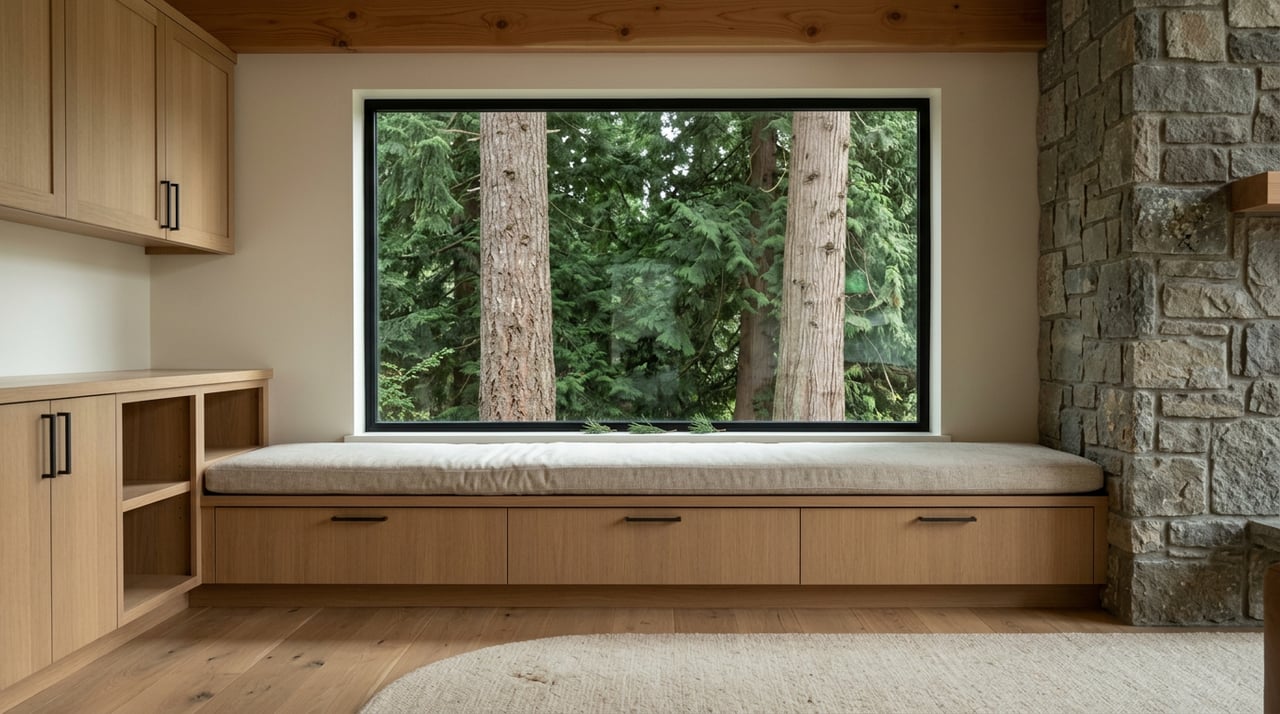
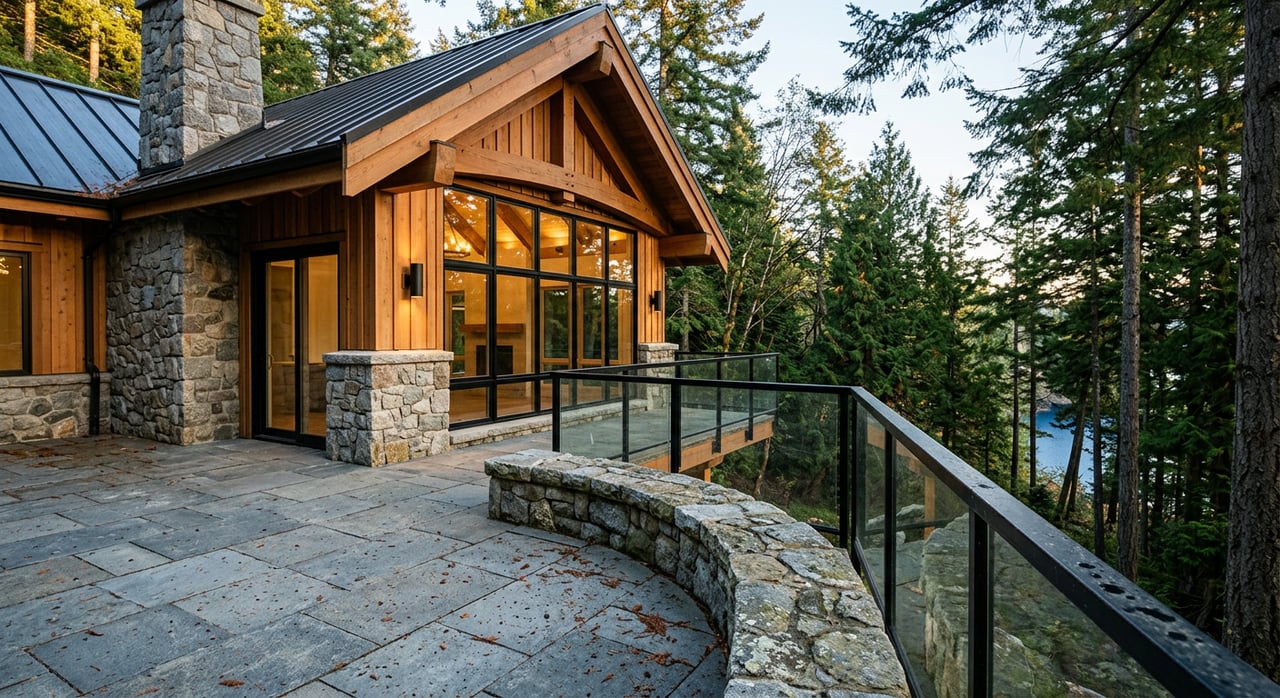
A view home sits above the lake on a hillside or bench and delivers visual access to the water and mountains without direct shore access. These homes prioritize scenery, space, and quieter living, with tradeoffs around driveway slope, drainage, and distance to the water.
Lake Coeur d’Alene is roughly 25 to 26 miles long with more than 100 miles of shoreline and is influenced by Post Falls Dam, which helps set summer pool levels and seasonal drawdowns. That operating pattern affects shore exposure, wakes, and winter procedures for docks. You can learn more about the lake’s hydrology and management context in regional science reviews from the National Academies. See the lake context and drawdown discussion.
Lifestyle tradeoffs in Coeur d’Alene
Waterfront life on Lake Coeur d’Alene
If you want to step from your yard onto your boat, waterfront is unmatched. Marinas, public ramps, and seasonal services make daily boating and summer hosting easy, especially near downtown and City Park. The same convenience brings more energy on peak weekends, including wake activity and visitor traffic. For a snapshot of the lake’s recreation hubs and amenities, browse the regional overview. Explore Lake Coeur d’Alene’s activities and access points.
Owning on the shore also means taking care of docks, lifts, vegetation, and bank stabilization, either directly or through your HOA. Expect seasonal prep and winter planning, along with periodic repairs and permit coordination.
The elevated view-home experience
View homes offer broad panoramas, privacy, and calmer day-to-day living. You enjoy the blue-water horizon and alpenglow evenings without the dock chores, though you will drive or walk farther to reach the water. On steeper parcels, plan for engineered driveways, grading, drainage controls, and additional county review for site disturbance when slopes exceed thresholds. You can preview the concept of slope-related permitting and engineering in county land-use materials. Review Kootenai County’s land-use code context.
Permits, docks, and shoreline rules
Who controls docks and why it matters
On Idaho’s navigable lakes, any encroachment in the water, such as docks, boat lifts, buoys, or riprap, typically requires authorization from the Idaho Department of Lands. Depending on the scope, there may also be federal or water-quality reviews. If a dock is central to your purchase, confirm the exact footprint and status with documentation, not just listing notes. Start with IDL’s encroachment overview.
At sale: locating and assigning permits
For existing docks, you should locate the recorded encroachment permit and ensure it is properly assigned to you during closing. IDL provides a defined assignment process and form that both parties sign. Processing can take weeks to months and typically carries a fee, so build that into your timeline. Read IDL’s assignment handout and steps.
Shoreline work to budget for
Bank stabilization, such as riprap or seawalls, requires an application with standards that often include engineering, publication, and interagency review. Fees and technical criteria are documented by IDL and can affect both cost and timing. See IDL’s bank stabilization standards and fees.
Boat garages face strict limitations and are rarely approved outside of specific circumstances. Winter dock storage is also a recurring issue on Lake Coeur d’Alene due to drawdowns, ice, and storms. If you plan to haul or store a dock seasonally, confirm local practices and any designated storage areas or prior approvals. Review an example of IDL’s winter storage guidance.
Flood and seasonal lake levels
Post Falls Dam helps maintain a higher summer pool and a winter drawdown that exposes more shore. That cycle influences how and when you use shoreline structures. For any candidate home, pull flood maps and a flood certificate so you understand lender requirements and risk. Under FEMA’s Risk Rating 2.0, premiums are based on property-specific factors such as elevation and distance to water. Use FEMA’s Flood Map Service Center.
Infrastructure and site checks
Septic and wells
Outside city sewer, many lakeside or rural parcels rely on septic systems and private wells. Request septic permits, maintenance records, and the permitted replacement area from the Panhandle Health District early in your evaluation. For wells, your agent can help you locate well logs to confirm depth and yield. These records determine buildability and long-term costs. Contact Panhandle Health District for septic guidance.
Slopes, access, and utilities on view lots
On hillside properties, steep driveways and longer utility runs can add meaningful soft costs. Expect the county to look closely at site disturbance, erosion control, and engineering where slopes exceed thresholds. Plan for stormwater management, retaining walls, and grading to protect your home and your view.
Water-quality context
Parts of the Coeur d’Alene Basin have a legacy of mining-related metals in sediments and certain downstream areas. This does not make the lake unusable, but buyers in specific bays may want to review public environmental materials for context. A science overview is available here.
Cost signals to expect in Kootenai County
Waterfront typically commands a premium over citywide medians because it delivers instant water access and scarce shoreline frontage. Around Lake Coeur d’Alene, recent sales often range from the high six figures to multiple millions depending on frontage, location, and improvements. Elevated view homes commonly price lower than true lakefront on an apples-to-apples basis, but finishes, acreage, and neighborhood amenities can push values higher.
One-time and ongoing ownership costs
- Permitting and assignments: Budget for state processing and publication where applicable. Recent IDL materials show typical assignment fees and bank-stabilization application costs. See the IDL assignment handout and bank-stabilization fee guidance.
- Dock upkeep and replacement: Docks, lifts, and shore armoring have multi-year life cycles. Before you set your offer, invite a qualified marine contractor to assess condition and replacement timelines.
- Flood and homeowners insurance: Lenders may require flood insurance if structures are in a Special Flood Hazard Area. Get quotes early because premiums vary widely under Risk Rating 2.0. Check FEMA maps and a flood certificate.
- Property taxes: Waterfront land values can raise assessed values relative to hillside lots. For modeling, request estimates from the county. Visit the Kootenai County Assessor.
A simple decision framework
Use these quick filters to clarify fit:
- If your top priority is daily, door-to-dock convenience for boating, swimming, or fishing, choose waterfront and plan for higher maintenance and permitting steps.
- If you prefer a quieter setting with broad panoramas and lower shoreline obligations, a view home can deliver that experience and often at a lower entry price.
- If you value summer energy and proximity to marinas and events, you may enjoy waterfront near activity hubs. If you want distance from wakes and weekend traffic, elevation helps.
- If winter driving and steep access are concerns, evaluate view-home driveways and snow plans carefully. If flood risk and dock logistics concern you, weigh waterfront responsibilities with your agent.
Buyer checklist for Coeur d’Alene
Use this sequence with your agent before you commit:
- Confirm what you own: Get the current deed and any surveys or plats, and clarify whether boundaries run to the ordinary high-water mark or rely on easements.
- Docks and lakebed rights: Ask for the existing IDL encroachment permit or submerged-land lease for any dock, including drawings and permit numbers. Require the seller to initiate the IDL assignment package if you go under contract.
- Flood mapping: Pull FEMA panels or a flood certificate and request insurance quotes if any structure is mapped in a Special Flood Hazard Area.
- Septic and well records: Request septic permits, pump records, and the permitted replacement area from Panhandle Health. Confirm well depth and yield via logs.
- Shoreline stabilization history: Collect records for riprap or seawalls, including designs and sign-offs, to understand age, condition, and future costs.
- Dock condition and winter plan: Have a marine contractor inspect the dock and lifts. Confirm whether winter haul-out or storage is needed and where that is allowed.
- Slopes and site disturbance: For hillside homes, obtain county site-disturbance history and any geotechnical reports. Factor in costs for grading, retaining, and stormwater.
- Environmental context: If buying in a bay or river-influenced area, review public water-quality materials and ask how they shape use or stewardship.
- HOA and community access: If access is via community docks, request bylaws, slip-allocation rules, maintenance fees, and transfer policies.
- Price and resale: Decide whether instant water access or quieter panoramic living matters more to you, then budget realistically for the responsibilities that come with that choice.
When you are ready to compare specific properties, partner with a local guide who can coordinate permits, records, and vendor opinions so you buy with clarity. If you want a calm, concierge process and expert counsel on lake, mountain, and acreage properties in Kootenai County, connect with Eva Scherer for one-on-one guidance and a curated tour.
FAQs
What counts as true waterfront in Coeur d’Alene?
- A parcel that touches the lake, typically with direct shore access and a private or community dock or recorded right to have one, subject to state authorization for structures beyond the ordinary high-water mark.
How hard is it to get or transfer a dock permit in Idaho?
- New or modified docks require Idaho Department of Lands authorization, and existing permits must be located and assigned at sale; the assignment process takes weeks to months and includes a processing fee.
Will I need flood insurance on a Lake Coeur d’Alene home?
- If your structure is in a FEMA Special Flood Hazard Area, your lender will likely require flood insurance; premiums vary by elevation, distance to water, and construction under Risk Rating 2.0.
Are boat garages allowed on Lake Coeur d’Alene?
- They are strictly limited and new approvals are uncommon; if one exists, confirm its permit status, footprint, and any conditions before you close.
What should I check first on a hillside view lot?
- Driveway slope and access, site-disturbance permits, drainage and retaining needs, utility runs, and any geotechnical reports, since these items shape buildability, comfort, and total cost of ownership.