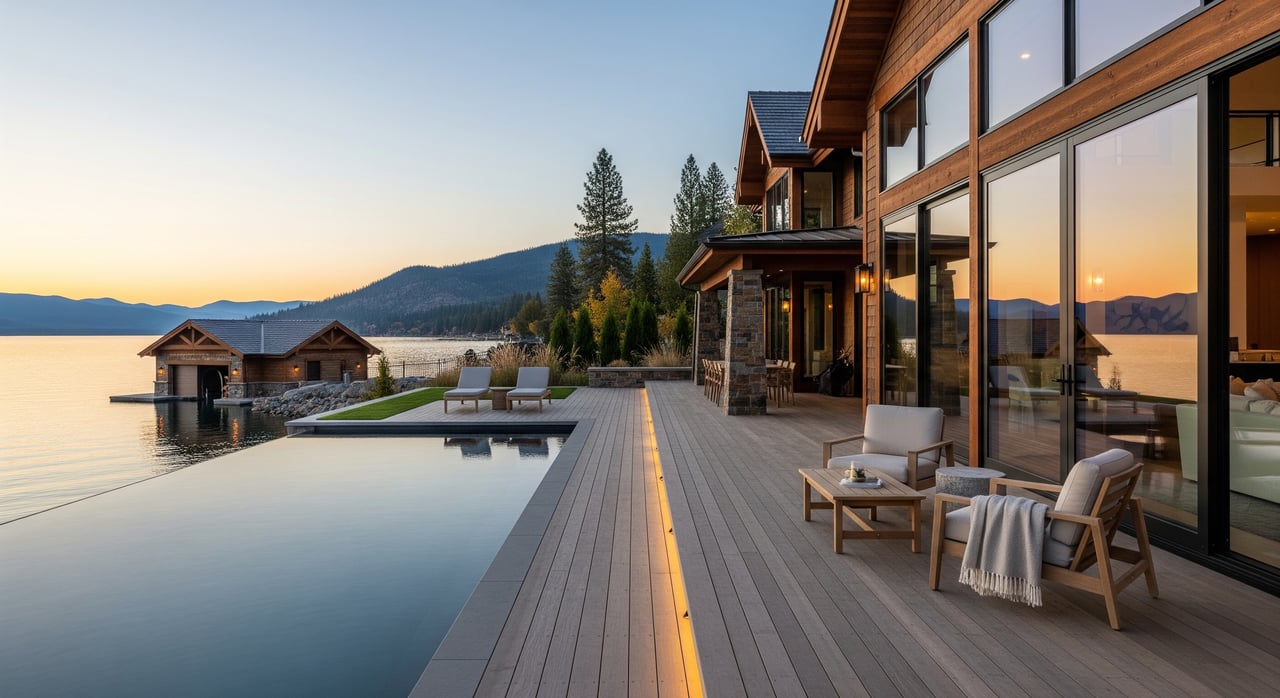
You want top dollar without drama. The right pre-listing plan can help you showcase your home’s best features, avoid costly delays, and launch with confidence. If you’re selling a luxury property in Coeur d’Alene or greater Kootenai County, a clear sequence, local permitting awareness, and one point of coordination can make all the difference. This guide gives you a step-by-step plan, realistic timelines, and vendor tips tailored to our luxury market. Let’s dive in.
Start with a plan that fits CDA luxury
Luxury buyers in Coeur d’Alene look for turnkey condition, high-quality finishes, and an indoor-outdoor lifestyle. Waterfront views, privacy, and well-maintained systems are top priorities. You also want strong documentation for HVAC, roof, well, and septic where applicable.
Seasonality matters. Spring and summer bring more showings and easier logistics, though compelling luxury homes can sell year-round. Your goal is to be market-ready before peak interest, with projects completed and photography scheduled for ideal light.
Your pre-listing roadmap
Phase 1: Inspections and disclosures first
Start by identifying issues and building buyer confidence.
- Schedule pre-listing inspections: general home, roof, and pest, plus septic and well testing if relevant.
- Compile service records and warranties for HVAC, roof, well, septic, water heaters, and generators.
- Prepare required Idaho property disclosures and any community documents. Waterfront, septic, and well details are often requested by buyers and their lenders.
- Check flood zone status early if you are near the lake or river. Elevation certificates and insurance questions can impact buyer timelines.
- Review HOA or architectural rules for exterior changes, docks, and landscaping. Get clarity on approval steps before you commit to upgrades.
Phase 2: Permit-triggering work and schedule
If your project touches structure, electrical, plumbing, HVAC, decks, or docks, plan for city or county permits. Review timelines with the appropriate building department early. Shoreline work can involve additional approvals, so build extra time into your schedule. Create a master calendar that sequences permits, contractor milestones, staging, and photography.
Phase 3: Safety and systems must-haves
Fix anything that could fail inspection, affect insurance, or undermine buyer trust.
- Address roof leaks, major electrical issues, moisture intrusion, or structural concerns.
- Service HVAC, fireplaces, and any backup power systems. Replace overly worn or unsafe components.
- For well and septic, complete inspections and any maintenance or repairs. Keep records handy for buyer review.
- Consider wildfire defensible space on acreage properties. Clear brush and maintain safe access where recommended by local fire guidance.
Phase 4: First impressions and lifestyle
Luxury listings win attention with clean lines, healthy landscaping, and seamless outdoor living.
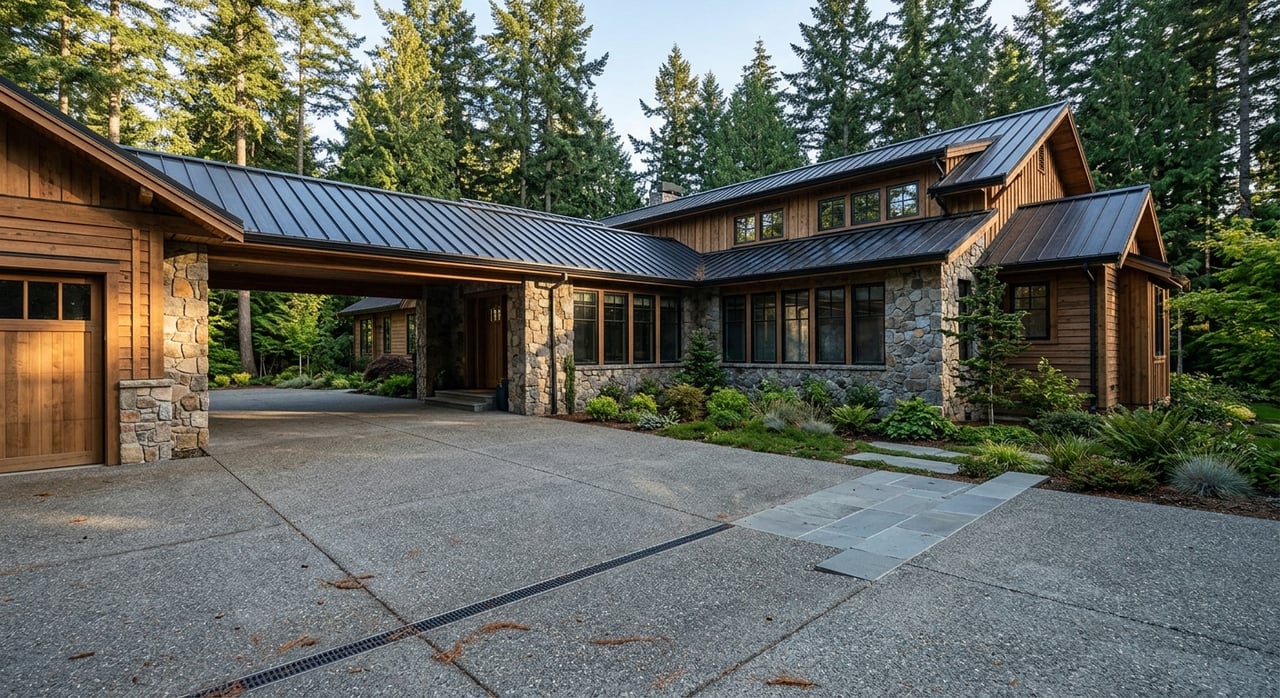
- Refresh landscaping, lighting, and driveways. Prune trees to improve views and light.
- Touch up exterior paint and trim. Ensure stairs, railings, and docks are safe and photo-ready.
- Stage outdoor areas with quality furnishings and heat or fire features, if appropriate.
- Add or adjust exterior lighting to highlight architecture and pathways for evening showings.
Phase 5: Targeted interior refresh
Often you achieve better ROI with design-smart updates than with full-scale remodels.
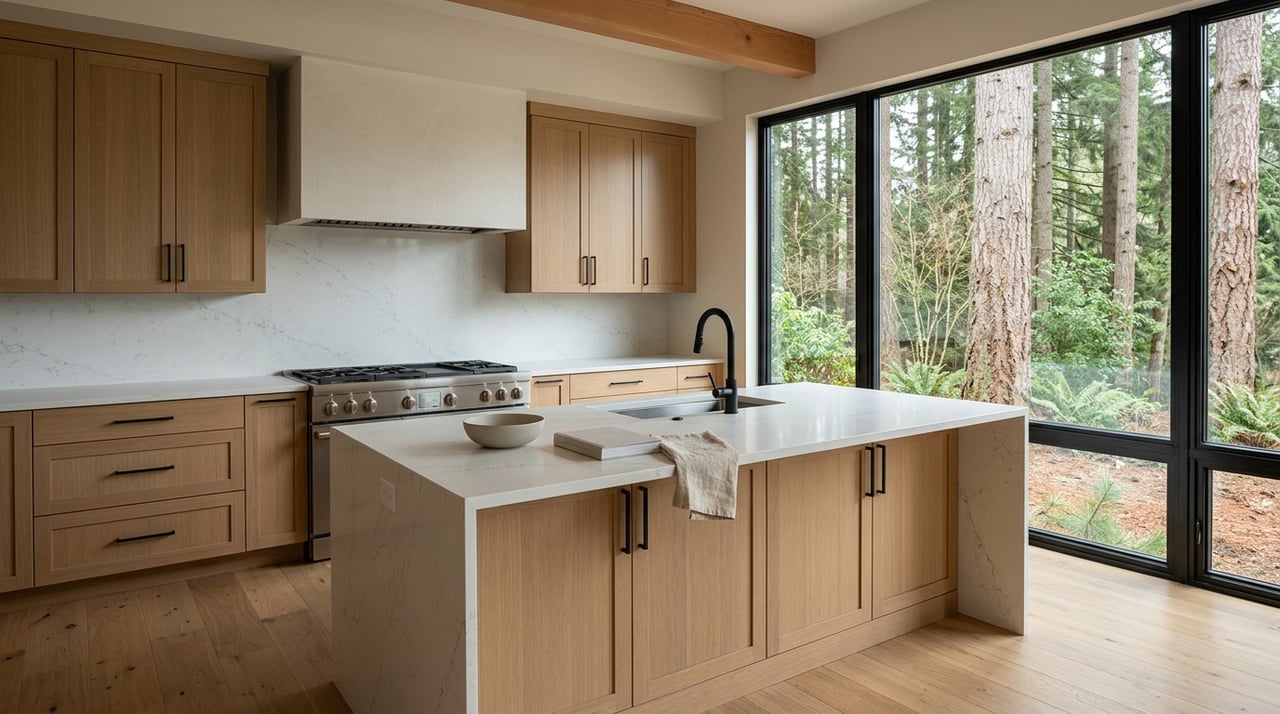
- Focus on kitchens and primary baths with new hardware, lighting, paint, and countertops if needed.
- Replace or refinish worn flooring. Neutralize bold paint colors.
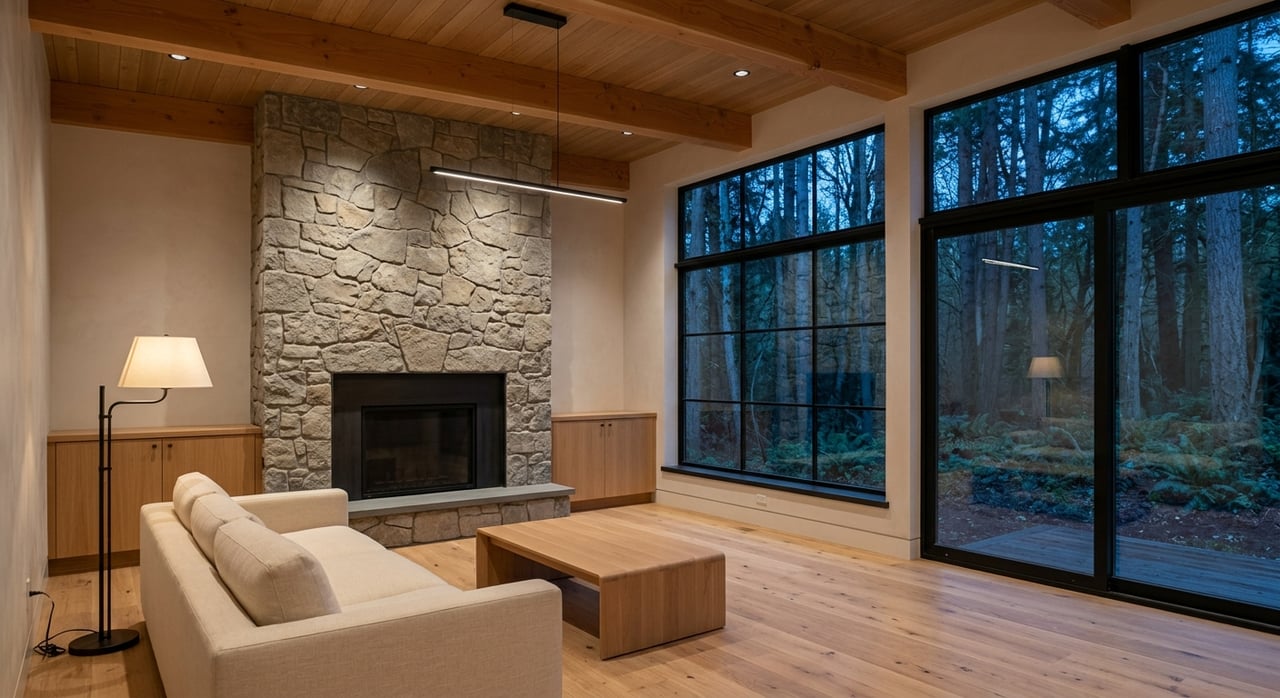
- Update lighting to showcase ceilings, millwork, and art. Install smart thermostats for comfort and efficiency.
- Consider refined window treatments and door hardware for a cohesive, high-end finish.
What to do in parallel
Keep your timeline efficient by stacking tasks.
- Declutter, pre-pack, and edit furnishings. Luxury staging shines when spaces feel open and intentional.
- Make design selections and order long-lead materials early, especially custom stone, cabinets, or windows.
- Vet vendors and confirm availability while permits are in review.
- Finalize a staging plan so installation can happen immediately after upgrades are complete.
Realistic timelines in Coeur d’Alene
Every home is different, but these ranges help you plan.
- Light prep: 2 to 4 weeks for minor repairs, paint touch-ups, deep clean, and staging.
- Moderate refresh: 6 to 12 weeks for kitchen or bath cosmetic updates, selected flooring replacement, and landscaping enhancements.
- Major remodel or exterior structures: 3 to 9 months or more, especially if permits and shoreline work are involved.
Key lead times to consider:
- Pre-listing inspections and well/septic testing: book immediately, allow 2 to 4 weeks.
- Contractor bids and budgeting: 1 to 3 weeks.
- Permits: minor items may be days to weeks, major or shoreline projects longer.
- Custom finishes: 6 to 12 weeks for many specialty items.
- Staging and photography: plan installation to finish 2 to 5 days before photos. Book photography early, including drone for waterfront.
Waterfront and acreage specifics
Waterfront and rural luxury properties have extra steps. Confirm shoreline regulations before dock or stabilization work. Inspect docks, stairs, and railings for safety and presentation. Verify flood zone status early and compile any elevation or insurance documents you have. For wells and septic systems, keep test results, pump records, and maps available. On acreage, follow defensible space guidance for a neat, safe landscape.
The single point-of-contact advantage
A single point person keeps your prep on time and on budget. This can be your listing agent with project-management services, a concierge, or a dedicated project manager.
- Vet contractors for licensing, insurance, and luxury project experience. Confirm who handles plumbing, electrical, and HVAC.
- Collect multiple bids, define a clear scope, and use contracts with milestones, warranties, and a change-order process.
- Maintain a master schedule covering permits, deliveries, inspections, staging, photography, and launch.
- Share weekly updates with photos and cost tracking. Keep all permits, invoices, and warranties in a buyer-ready packet.
- Hold a 5 to 15 percent contingency for surprises like hidden rot or septic repairs.
Presentation day: staging, photography, launch
Staging in the luxury segment is about mood, proportion, and flow. It highlights views, indoor-outdoor connections, and entertaining zones. Schedule professional photography for the best light and weather. For waterfront, plan drone and twilight shots. When everything is polished and documented, you are ready to go live for peak attention.
Sample 8-week plan (moderate refresh)
- Week 1: Pre-listing inspections, gather records, define scope, request bids.
- Week 2: Select finishes, finalize contracts, submit any needed permits, start landscaping cleanup.
- Week 3: Begin mechanical servicing and safety fixes. Order long-lead materials.
- Week 4: Interior paint and lighting updates. Continue exterior work.
- Week 5: Kitchen and bath cosmetic updates. Flooring replacements where needed.
- Week 6: Detail cleaning, punch-list repairs, exterior touch-ups.
- Week 7: Staging installation and dock/path/rail checks for showings.
- Week 8: Professional photography and media. Finalize listing launch.
Avoid these common pitfalls
- Starting permit work too late. Permits and inspections can take longer than expected.
- Over-remodeling. In luxury, targeted updates often net better returns than large-scale changes.
- Skipping mechanical documentation. Buyers want confidence in systems.
- Delaying staging and photography. Presentation drives interest and time on market.
- Ignoring buffer time. Weather, shipping, and contractor schedules can shift.
Ready to move
A thoughtful plan helps you protect value and keep momentum. With the right sequence, clear documentation, and a single point of coordination, your home will show beautifully and close with fewer surprises. If you want a concierge-level plan tailored to your property, connect with Eva Scherer to elevate your listing from pre-list to sold.
FAQs
Should Coeur d’Alene luxury sellers do a full remodel before listing?
- Not usually. Targeted, design-forward refreshes and strong maintenance documentation often deliver better ROI and faster timelines than full gut remodels.
How far in advance should permits start in Kootenai County?
- As early as possible. Even minor permits can add weeks, and shoreline or structural work can take longer, so begin permit conversations at the start of planning.
Do I need a pre-listing inspection for a luxury home in Idaho?
- It helps. Pre-listing inspections surface issues you can fix or disclose upfront, reducing renegotiation risk and building buyer confidence.
What staging approach works best for large waterfront homes?
- Professional staging that emphasizes views, scale, and indoor-outdoor living. Focus on furniture proportion, light, and a lifestyle narrative.
How do docks and shoreline updates affect timeline and approvals?
- They often require extra reviews or permits, so plan for longer lead times and verify requirements before scheduling work.
What documents should I prepare for well and septic systems?
- Include recent test results, pump or service records, system maps, and any permits. Keep everything in a tidy packet for buyers.